

Starting a small business is a thrilling adventure, but it often comes with the challenge of limited resources. The good news? You don’t need a massive budget to make a big impact. Bootstrap marketing is all about leveraging creativity, time, and strategic thinking to promote your business without breaking the bank. By focusing on low-cost, high-impact techniques, small business owners can build brand awareness, attract loyal customers, and grow sustainably.
This article dives deep into five powerful bootstrap marketing strategies, enriched with unique ideas, practical examples, and actionable insights to help your business thrive on a tight budget.
Table of Contents
Why Bootstrap Marketing Matters for Small Businesses
In today’s competitive landscape, marketing is the heartbeat of any business. For small business owners, every penny counts, and bootstrap marketing offers a way to maximize impact with minimal investment. These strategies prioritize ingenuity over cash, allowing you to compete with bigger players by focusing on customer relationships, community engagement, and digital tools. By combining time-tested grassroots tactics with modern digital approaches, you can create a marketing plan that’s both cost-effective and results-driven.
The beauty of bootstrap marketing lies in its flexibility. Whether you’re running a local bakery, an online boutique, or a freelance service, these techniques can be tailored to fit your unique needs. Plus, they foster authentic connections with your audience, which is invaluable for long-term success. Let’s explore five game-changing bootstrap marketing strategies that you can start implementing today.
1. Build a Robust Email List for Long-Term Success
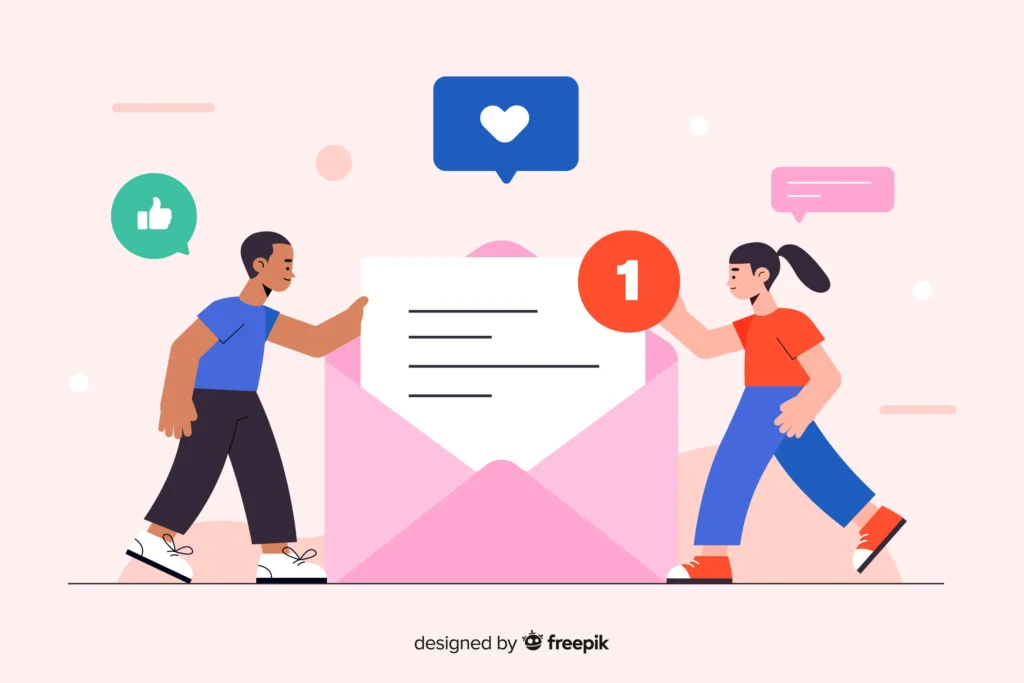
Email marketing remains one of the most cost-effective ways to connect with your audience. It’s like having a direct line to your customers’ inboxes, allowing you to share updates, promotions, and valuable content without spending a fortune. Unlike social media, where algorithms can limit your reach, email gives you control over your message.
Getting Started with Email Marketing
To kick things off, sign up for an affordable email marketing platform. Many platforms offer free plans for small lists, making it easy to start without upfront costs. Once you’ve chosen a platform, focus on growing your email list strategically. Here are some creative ways to encourage sign-ups:
- Offer a valuable incentive: Create a free downloadable resource, like an e-book, checklist, or template, that aligns with your business. For example, a fitness coach could offer a “7-Day Home Workout Plan” in exchange for email addresses.
- Promote exclusive perks: Promise subscribers early access to sales, special discounts, or members-only content. A coffee shop might offer a “Buy One, Get One Free” coupon for new subscribers.
- Launch a newsletter: Share industry insights, behind-the-scenes stories, or tips that resonate with your audience. A pet store could send monthly pet care tips to keep subscribers engaged.
- Host a giveaway: Encourage sign-ups by offering a chance to win a product or service. A local bakery might give away a free cake to one lucky subscriber each month.
Best Practices for Email Marketing
Transparency is key. Clearly explain what subscribers will receive, and always include an easy unsubscribe option. Protect your audience’s trust by promising not to share or sell their email addresses. Track metrics like open rates and click-through rates to refine your campaigns over time. For instance, a small craft business might notice that emails with colorful product photos get higher engagement, allowing them to double down on visual content.
Real-World Example
Imagine a freelance graphic designer who starts an email list offering a free “Logo Design Cheat Sheet” for small businesses. By sharing weekly design tips and showcasing client success stories, they build trust and convert subscribers into paying clients—all for the cost of a few hours of content creation.
2. Know Your Customers Inside and Out
Understanding your target market is the foundation of effective marketing. When you know what your customers want, need, and value, you can tailor your offerings to meet their expectations, fostering loyalty and driving referrals. This approach is especially powerful for bootstrapped businesses, as it relies on time and effort rather than expensive market research.

Ways to Connect with Your Customers
Here are some practical ways to deepen your customer relationships:
- Request testimonials: Ask happy clients to share their experiences, and feature these in your marketing materials. A local landscaper could display glowing reviews on their website to attract new clients.
- Send personalized gestures: Mail thank-you notes, small gifts, or free samples to past customers. A boutique clothing store might send a handwritten note with a 10% off coupon to rekindle interest.
- Conduct surveys: Use free online tools to create customer satisfaction surveys. A tutoring service could ask parents about their child’s learning needs to improve their offerings.
- Celebrate milestones: Collect customer birthdays or anniversaries and send personalized offers. A restaurant might offer a free dessert to customers celebrating their birthday.
- Launch a loyalty program: Reward repeat customers with discounts or exclusive perks. A pet grooming business could offer a free session after five paid visits.
Personalization is Key
Treat each customer as an individual. Use their name in emails, acknowledge their preferences, and address their pain points. For example, a small online bookstore could recommend books based on a customer’s previous purchases, creating a tailored shopping experience that feels special.
Why It Works
By investing time in understanding your customers, you build long-term relationships that lead to repeat business and word-of-mouth referrals. A coffee shop owner who remembers regular customers’ orders and chats with them about their day creates a loyal community that spreads the word organically.
3. Harness the Power of Social Media
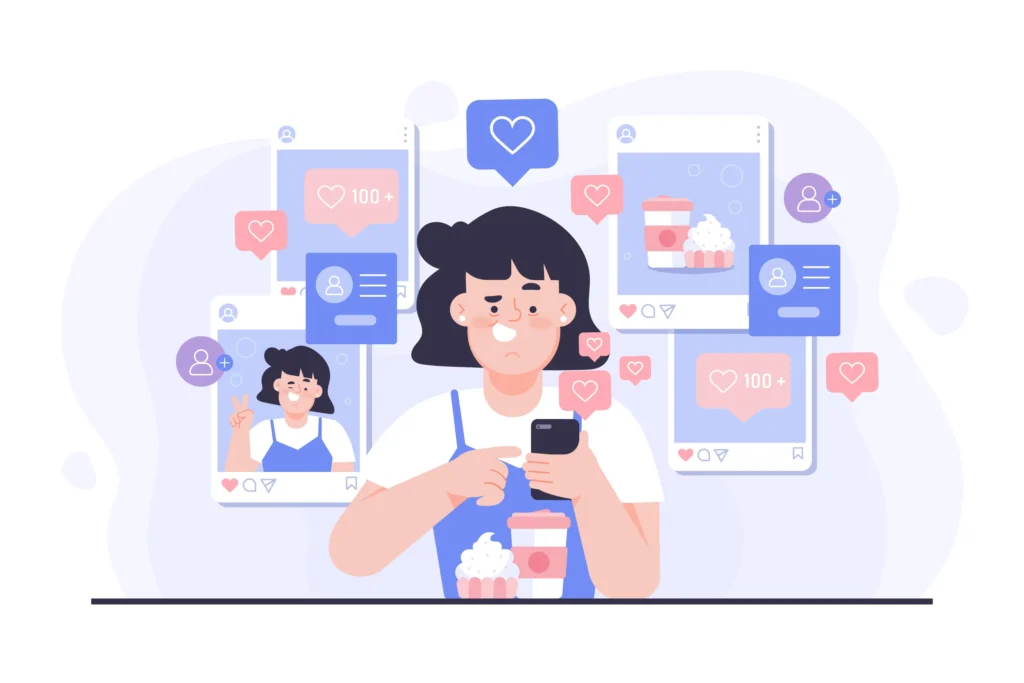
Social media is a bootstrapper’s dream. It’s free to use, widely accessible, and offers endless opportunities to connect with your audience. Platforms like Instagram, TikTok, and LinkedIn allow you to showcase your brand’s personality, engage with customers, and reach new markets—all without spending a dime.
Social Media Strategies for Small Businesses
To make the most of social media, create a strategic plan tailored to your goals. Here are some ideas to get started:
- Start a blog: Share valuable content related to your industry. A home decor business could blog about “5 Ways to Refresh Your Living Room on a Budget” to attract design enthusiasts.
- Engage with other blogs: Comment on posts in your niche to build connections and drive traffic to your own content. A yoga instructor could comment on wellness blogs to gain visibility.
- Create video content: Record short, engaging videos for YouTube, TikTok, or Instagram Reels. A bakery could share a 30-second video of their cake-decorating process to captivate viewers.
- Claim your Google Business Profile: List your business to appear in local searches and collect reviews. A local plumber could use this to attract nearby customers.
- Use Pinterest: Create boards showcasing your products or services. A wedding planner could pin stunning venue ideas to inspire potential clients.
Tips for Success
Consistency is crucial. Post regularly, respond to comments, and engage with your followers to build a loyal community. Use free tools to schedule posts and track performance. For example, a small jewelry brand might notice that Instagram Stories featuring behind-the-scenes content get more views, prompting them to focus on that format.
Real-World Example
A freelance photographer creates a TikTok account to share quick tips on taking better smartphone photos. By posting daily and using trending hashtags, they attract thousands of followers, many of whom book sessions after seeing their expertise in action.
| Social Media Platform | Best For | Bootstrap Tip |
|---|---|---|
| Visual brands (e.g., fashion, food) | Use Stories and Reels for quick, engaging content. | |
| TikTok | Creative, trendy businesses | Share short, authentic videos to tap into viral trends. |
| B2B or professional services | Post thought leadership articles to attract clients. | |
| Lifestyle and product-based businesses | Create visually appealing pins linking to your website. | |
| Google Business Profile | Local businesses | Optimize your profile with photos and customer reviews. |
4. Give Something Away to Attract New Customers
Everyone loves a freebie, and offering something for free can be a powerful way to draw in new customers and build goodwill. The key is to offer something high-quality and relevant that showcases your brand’s value without giving away the farm.

Creative Freebie Ideas
Here are some ways to incorporate freebies into your marketing:
- Coupons or samples: Offer a small discount or free sample to new email subscribers. A skincare brand could give away a travel-sized moisturizer to entice first-time buyers.
- Contests and giveaways: Run a social media contest where participants enter by sharing your post or tagging friends. A fitness studio might give away a free month of classes to one winner.
- Free workshops or webinars: Host a virtual or in-person event to share your expertise. A tax consultant could offer a free webinar on “Tax-Saving Tips for Small Businesses.”
- Charity initiatives: Donate your time or services to a local cause. A graphic designer could create a free logo for a nonprofit, gaining exposure in the process.
Striking the Right Balance
Ensure your freebie is valuable but sustainable. A high-quality sample should leave customers wanting more, not devalue your offerings. For example, a catering company might offer a free appetizer platter for events booked within a month, enticing clients to try their full menu.
Why It Works
Freebies create a sense of reciprocity, encouraging customers to return the favor by making a purchase or spreading the word. A local gym that offers a free trial class might convert attendees into long-term members after they experience the value firsthand.
5. Go Grassroots for Local Impact
Grassroots marketing is all about getting out into your community and building relationships face-to-face. This approach is perfect for small businesses with limited budgets, as it relies on personal connections and local visibility rather than expensive advertising.
Grassroots Marketing Ideas
Here are some ways to make a splash in your community:
- Join local organizations: Sign up for your Chamber of Commerce or a networking group to meet other business owners. A florist could attend monthly meetups to connect with event planners.
- Partner with complementary businesses: Team up with businesses that share your audience. A pet store could partner with a local vet to offer joint promotions.
- Sponsor local events: Support a community festival or sports team to gain visibility. A hardware store could sponsor a little league team, with their logo on the uniforms.
- Use wearable marketing: Create branded t-shirts, hats, or tote bags for yourself and your team. A coffee shop owner wearing a branded apron becomes a walking advertisement.
- Set up a sidewalk sign: Place a chalkboard sign outside your business with a catchy message or daily special. A bookstore could write “Today’s Book Pick: A Mystery You’ll Love!” to draw in passersby.
Crafting an Elevator Pitch
Before diving into grassroots efforts, prepare a concise elevator pitch that sums up what you do and why it matters. Practice delivering it confidently, and always carry business cards to share your contact information. For example, a dog trainer might say, “I help pet owners build stronger bonds with their dogs through fun, effective training sessions.”
Real-World Example
A small ice cream shop joins their local Chamber of Commerce and co-sponsors a summer festival with a nearby bakery. They set up a booth offering free mini cones, hand out branded stickers, and collect email addresses for their newsletter. The event generates buzz, attracts new customers, and strengthens their community presence—all for the cost of a few scoops of ice cream.
| Grassroots Strategy | Cost | Potential Impact |
|---|---|---|
| Chamber of Commerce Membership | Low (annual fee) | Networking with local businesses and referrals. |
| Strategic Partnership | Free or low | Cross-promotion with complementary businesses. |
| Event Sponsorship | Low to medium | Increased brand visibility in the community. |
| Wearable Marketing | Low | Passive promotion through branded merchandise. |
| Sidewalk Sign | Low | Attracts foot traffic with minimal effort. |
Additional Bootstrap Marketing Tips
To supercharge your bootstrap marketing efforts, consider these bonus strategies:
- Leverage user-generated content: Encourage customers to share photos or reviews of your products on social media, and repost their content with permission. A restaurant could create a hashtag like #TastyBites and feature customer photos on their Instagram.
- Collaborate with micro-influencers: Partner with local influencers who have small but engaged audiences. A boutique could gift a free outfit to a local fashion blogger in exchange for a post.
- Optimize your website for SEO: Use free tools to research keywords and improve your website’s search engine ranking. A home cleaning service could target phrases like “affordable cleaning services near me” to attract local clients.
- Host a referral program: Reward customers who refer new clients with discounts or gifts. A hair salon might offer a $10 discount for every new customer referred by an existing client.
Creating a Bootstrap Marketing Plan
To ensure success, develop a marketing plan that outlines your goals, target audience, and strategies. Start by identifying your budget (even if it’s just time), then prioritize the techniques above based on your business type and audience. Track your results regularly to see what’s working and adjust as needed. For example, a freelance writer might allocate 10 hours a week to social media and email marketing, measuring success by the number of inquiries generated.
Step-by-Step Guide to Your Marketing Plan
- Define your goals: Do you want to increase sales, grow your email list, or boost brand awareness?
- Know your audience: Create a customer profile detailing their demographics, needs, and preferences.
- Choose your tactics: Select 2-3 bootstrap strategies to focus on initially, such as email marketing and grassroots efforts.
- Set a timeline: Plan your activities for the next 3-6 months, including specific campaigns or events.
- Measure success: Use free analytics tools to track metrics like website traffic, email open rates, or new customer inquiries.
The Power of Bootstrap Marketing
Bootstrap marketing is about working smarter, not harder. By focusing on low-cost, high-impact strategies, you can build a thriving business without draining your bank account. Whether you’re sending personalized emails, engaging on social media, or shaking hands at a local event, every action you take brings you closer to your goals. The key is consistency, creativity, and a genuine commitment to your customers.
So, roll up your sleeves, get creative, and start implementing these bootstrap marketing techniques today. Your small business has the potential to make a big impact—no hefty budget required!
Frequently Asked Questions (FAQs)
FAQ 1: What is bootstrap marketing, and why is it important for small businesses?
Bootstrap marketing refers to promoting a business using low-cost or free strategies that rely on creativity, time, and effort rather than large financial investments. For small business owners, this approach is a game-changer because it allows them to compete in a crowded market without the burden of hefty marketing budgets. Whether you’re running a local cafe or an online store, bootstrap marketing helps you maximize impact while keeping costs minimal, making it ideal for startups and entrepreneurs with limited resources.
The importance of bootstrap marketing lies in its ability to build brand awareness and foster customer loyalty without draining your bank account. By focusing on tactics like email campaigns, social media, and grassroots efforts, small businesses can connect authentically with their audience. These strategies are flexible, allowing you to adapt them to your specific industry or target market. For example, a freelance graphic designer might use social media to showcase their portfolio, while a local bakery could rely on community events to attract customers. Ultimately, bootstrap marketing empowers small businesses to grow sustainably by prioritizing ingenuity over cash.
FAQ 2: How can I start building an email list for my small business?
Building an email list is one of the most cost-effective ways to stay connected with your customers and grow your small business. Email marketing allows you to send targeted messages, share promotions, and build long-term relationships without spending much. To get started, sign up for an affordable email marketing platform, many of which offer free plans for small lists. This gives you the tools to collect email addresses, create campaigns, and track performance.
To grow your list, encourage sign-ups by offering value to your audience. For instance, you could provide a free downloadable resource, like a recipe book for a food business or a budgeting template for a financial consultant. Other ideas include promising exclusive discounts, launching a monthly newsletter with helpful tips, or offering early access to new products. Always be transparent about what subscribers will receive, include an easy unsubscribe option, and promise not to share their information. A small craft store, for example, might offer a 10% off coupon for new subscribers, leading to increased sales over time. Track metrics like open rates to refine your approach and keep your audience engaged.
FAQ 3: Why is understanding my customers crucial for bootstrap marketing?
Knowing your target market is the cornerstone of effective bootstrap marketing because it allows you to tailor your efforts to meet their specific needs and preferences. When you understand what your customers want, you can create personalized messages, products, or services that resonate with them, leading to higher engagement and loyalty. This approach is especially valuable for small businesses with limited budgets, as it relies on time and effort rather than expensive research tools.
To get to know your customers, try strategies like collecting testimonials to showcase their experiences, sending surveys to gather feedback, or offering small gestures like birthday coupons. For example, a pet grooming business could send a short survey asking clients about their pet’s needs, then use the insights to offer tailored services. Building these personal connections fosters trust, encourages repeat business, and sparks word-of-mouth referrals. A coffee shop owner who remembers regular customers’ orders and chats with them about their day creates a loyal community that spreads the word naturally, all without spending a dime on advertising.
FAQ 4: How can social media help my small business grow on a budget?
Social media is a powerful bootstrap marketing tool because it’s free to use and offers direct access to your audience. Platforms like Instagram, TikTok, and LinkedIn allow you to showcase your brand, engage with customers, and attract new clients without spending money on ads. By posting consistently and creating content that resonates with your audience, you can build a loyal following and increase brand visibility.
To make the most of social media, start by identifying platforms that align with your business. For example, a bakery might use Instagram to share mouthwatering photos of desserts, while a B2B consultant could post thought leadership articles on LinkedIn. Other tactics include starting a blog to share industry insights, commenting on related blogs to build connections, or creating short videos for YouTube or TikTok. A small jewelry brand could post a TikTok video showing the making of a necklace, using trending hashtags to reach a wider audience. Plan your content in advance, engage with followers, and use free analytics tools to track what works best, ensuring your efforts are strategic and effective.
FAQ 5: What are some creative ways to offer freebies as part of bootstrap marketing?
Offering freebies is a fantastic way to attract new customers and build goodwill without spending much. Freebies create excitement and give potential clients a taste of your products or services, encouraging them to come back for more. The key is to offer something high-quality and relevant that reflects your brand’s value while keeping costs low.
You can give away coupons, samples, or small products to new customers or email subscribers. For instance, a skincare brand might offer a free sample of a moisturizer to entice first-time buyers. Hosting a contest, like giving away a product to a social media follower who shares your post, is another great option. You could also offer a free webinar or workshop to showcase your expertise—a tax consultant might host a “Small Business Tax Tips” session to attract clients. Alternatively, consider donating your time to a local charity event, such as a photographer volunteering at a nonprofit fundraiser. These efforts create positive buzz and encourage customers to engage with your business long-term.
FAQ 6: How can grassroots marketing benefit my small business?
Grassroots marketing focuses on building relationships within your local community, making it an ideal low-cost strategy for small businesses. By connecting with people face-to-face, you can create a strong local presence and foster loyalty among nearby customers. This approach is especially effective for businesses with a physical location, like shops or restaurants, but it can also work for online businesses targeting a local audience.
Joining a local Chamber of Commerce or networking group is a great starting point, as it connects you with other business owners and potential customers. You could also partner with complementary businesses, like a pet store teaming up with a local vet for a joint promotion. Sponsoring a community event, such as a school fundraiser, or using branded merchandise like t-shirts can boost visibility. A small ice cream shop might set up a booth at a local festival, handing out free mini cones to attract new customers. Prepare a concise elevator pitch and carry business cards to make every interaction count. Grassroots efforts build trust and create a ripple effect through word-of-mouth referrals.
FAQ 7: How do I create a bootstrap marketing plan for my business?
A marketing plan is essential for making your bootstrap marketing efforts successful. It helps you stay organized, set clear goals, and measure your progress without wasting time or resources. Start by defining your objectives, such as increasing sales, growing your email list, or boosting brand awareness. Next, identify your target audience by creating a customer profile that details their demographics, needs, and preferences.
Choose 2-3 bootstrap strategies that align with your goals, such as email marketing, social media, or grassroots efforts. For example, a freelance writer might focus on LinkedIn posts and a weekly newsletter to attract clients. Set a timeline for your activities, like planning a three-month social media campaign or attending one local event per month. Use free tools to track metrics, such as email open rates or website traffic, to see what’s working. A small bakery could track how many customers visit after seeing a sidewalk sign. Regularly review and adjust your plan to ensure your efforts are driving results.
FAQ 8: What are the benefits of using freebies in bootstrap marketing?
Using freebies in bootstrap marketing can attract new customers, build trust, and create a sense of reciprocity that encourages purchases. Freebies give potential clients a low-risk way to try your products or services, increasing the likelihood they’ll return. They also generate excitement and can spark word-of-mouth marketing, as customers share their positive experiences with others.
For example, a fitness studio offering a free trial class allows potential members to experience the value firsthand, leading to more sign-ups. Freebies can also be tied to other strategies, like offering a discount code to new email subscribers or giving away a product in a social media contest. A key benefit is their low cost—producing a digital resource like an e-book or hosting a free webinar requires minimal investment but can yield big returns. Ensure your freebie is high-quality to reflect your brand’s standards, as a cheap or irrelevant offer could harm your reputation. By strategically using freebies, you create a positive first impression that drives long-term loyalty.
FAQ 9: How can I use social media effectively without spending money?
Using social media effectively on a bootstrap budget requires strategy, consistency, and engagement. Start by choosing platforms that align with your audience—a visual brand like a clothing boutique might focus on Instagram, while a consulting firm could prioritize LinkedIn. Create a content plan that includes a mix of posts, such as product photos, customer stories, or quick tips. For instance, a dog trainer could share a weekly Instagram Reel with training tips to attract pet owners.
Engage with your audience by responding to comments, reposting user-generated content, and joining conversations in your niche. Commenting on related blogs or joining industry-specific groups can also drive traffic to your profiles. Use free scheduling tools to plan posts in advance and analytics to track performance. A small coffee shop might notice that posts featuring their daily specials get more likes, prompting them to focus on similar content. By staying active and authentic, you can build a loyal following and increase brand visibility without spending a cent.
FAQ 10: What are some low-cost ways to personalize my marketing efforts?
Personalizing your marketing makes customers feel valued and builds stronger connections, which is especially important for bootstrap marketing. Start by collecting data about your customers, such as their preferences or purchase history, through surveys or casual conversations. For example, a small bookstore could ask customers about their favorite genres and recommend books accordingly.
Use this information to tailor your efforts. Send personalized emails with customers’ names and relevant offers, like a pet store emailing a discount on dog food to dog owners. Small gestures, like sending birthday coupons or handwritten thank-you notes, can also make a big impact. A restaurant might offer a free dessert to customers celebrating their anniversary, creating a memorable experience. Additionally, create a loyalty program to reward repeat customers, such as a coffee shop offering a free drink after 10 purchases. These low-cost efforts show customers you care, fostering loyalty and encouraging referrals without breaking the bank.
FAQ 11: How can small businesses use content marketing as part of bootstrap marketing?
Content marketing is a cornerstone of bootstrap marketing, allowing small businesses to attract and engage customers without spending much. By creating valuable, relevant content, such as blog posts, videos, or infographics, you can showcase your expertise, build trust, and drive traffic to your business. This approach is ideal for businesses with limited budgets because it relies on creativity and time rather than expensive advertising.
To get started, identify topics that resonate with your target audience. For example, a local bakery could write a blog post titled “5 Easy Dessert Recipes for Busy Families,” attracting home bakers to their website. Share your content on social media platforms like Instagram or Pinterest to reach a wider audience. You can also repurpose content, turning a blog post into a short video or an infographic, to maximize its reach. A key tip is to optimize your content for SEO by including relevant keywords, like “budget-friendly desserts” for the bakery example. Consistency is crucial—posting regularly keeps your audience engaged and improves your search engine rankings over time.
Content marketing also fosters long-term relationships. By providing free, useful information, you position your business as a trusted resource. A small fitness studio might share weekly workout tips via a newsletter, encouraging subscribers to book classes. Track metrics like website visits or social shares to measure success, and adjust your strategy based on what resonates most. With minimal costs, content marketing can deliver significant results for bootstrapped businesses.
FAQ 12: What are the benefits of networking for bootstrap marketing?
Networking is a powerful bootstrap marketing strategy that helps small business owners build relationships, gain referrals, and increase visibility without spending much. By connecting with other local businesses, industry peers, or potential customers, you can create a supportive network that amplifies your marketing efforts. Networking is especially effective for businesses looking to establish a strong community presence.
Joining a local Chamber of Commerce or professional group is a great way to start. These organizations host events where you can meet potential partners or clients. For instance, a freelance web designer attending a networking event might connect with a small retailer needing a website, leading to a new project. Prepare a concise elevator pitch that explains your business and its value, and always carry business cards to share your contact details. You can also network online by joining industry-specific groups on platforms like LinkedIn, where engaging in discussions can attract attention to your brand.
Networking often leads to strategic partnerships, such as co-hosting an event with a complementary business. A pet groomer and a local pet store could team up for a “Pet Pampering Day,” drawing in customers for both. These efforts cost little but can generate significant buzz and referrals, making networking a low-cost, high-impact way to grow your business.
FAQ 13: How can I use customer feedback to improve my bootstrap marketing?
Customer feedback is a goldmine for small businesses using bootstrap marketing. By listening to your customers, you gain insights into their needs, preferences, and pain points, allowing you to refine your products, services, and marketing strategies. This approach is cost-effective because it relies on direct communication rather than expensive market research tools.
Start by collecting feedback through free methods like online surveys, comment cards, or casual conversations. For example, a small coffee shop could ask customers to fill out a quick survey about their favorite drinks in exchange for a discount. Use this feedback to identify areas for improvement, such as adding new menu items or adjusting store hours. You can also request testimonials from satisfied customers to use in your marketing materials, boosting credibility. A landscaping business might feature a glowing review on their website to attract new clients.
Acting on feedback shows customers you value their input, fostering loyalty and encouraging word-of-mouth referrals. For instance, if survey responses show that customers want faster service, a restaurant could streamline its ordering process and promote the change in an email campaign. By continuously gathering and acting on feedback, you create a customer-centric business that thrives without a big budget.
FAQ 14: What role does SEO play in bootstrap marketing for small businesses?
Search Engine Optimization (SEO) is a critical component of bootstrap marketing because it helps your business get found online without paying for ads. By optimizing your website and content for search engines, you can attract organic traffic from people searching for products or services like yours. For small businesses, SEO is a cost-effective way to compete with larger companies and reach a wider audience.
Begin by researching keywords that your target audience uses. A local plumber might target phrases like “emergency plumbing near me” to appear in local search results. Incorporate these keywords into your website’s titles, headings, and content, but keep it natural to avoid sounding robotic. Creating high-quality content, like blog posts or how-to guides, also boosts SEO. A pet store could publish an article on “How to Choose the Best Food for Your Dog,” attracting pet owners to their site. Claiming a Google Business Profile is another free way to improve local SEO, ensuring your business appears in map searches.
SEO takes time but delivers long-term results. Regularly update your content, monitor performance using free analytics tools, and adjust your strategy based on what drives traffic. For example, a small boutique might notice that blog posts about sustainable fashion get more clicks, prompting them to create more content on that topic. With SEO, you can grow your online presence without spending a dime.
FAQ 15: How can I create a loyalty program on a bootstrap budget?
A loyalty program is an excellent bootstrap marketing tactic that encourages repeat business and strengthens customer relationships without requiring a large investment. By rewarding loyal customers with discounts, freebies, or exclusive perks, you create an incentive for them to keep coming back. This approach is affordable and highly effective for building long-term loyalty.
To create a loyalty program, start by designing a simple system that fits your business. For example, a coffee shop could offer a free drink after 10 purchases, tracked with a punch card or a free app. A small online retailer might provide points for every dollar spent, redeemable for discounts. Promote your program through email, social media, or in-store signage to ensure customers know about it. For instance, a bookstore could email subscribers about a “Frequent Reader Club” that offers a free book after 12 purchases.
Keep the program cost-effective by offering rewards that align with your budget, like small discounts or low-cost items. A pet grooming business might offer a free nail trim after five sessions, which costs little but delights customers. Track participation to see which rewards drive engagement, and adjust as needed. A well-designed loyalty program not only boosts sales but also turns customers into brand advocates who spread the word.
FAQ 16: How can I use video content for bootstrap marketing?
Video content is a dynamic bootstrap marketing tool that allows small businesses to engage their audience in a memorable and cost-effective way. With smartphones and free editing apps, creating high-quality videos doesn’t require a big budget. Videos can showcase your products, share your story, or provide value, making them perfect for social media platforms like TikTok, Instagram, or YouTube.
Start by creating short, engaging videos that align with your brand. A fitness coach could film a 30-second workout tip for Instagram Reels, while a bakery might share a behind-the-scenes video of decorating a cake. You can also host live Q&A sessions on platforms like Facebook to connect with your audience in real time. For example, a small gardening business could go live to answer questions about plant care, attracting gardening enthusiasts. Use free tools to edit videos and add captions to make them accessible.
Videos are highly shareable, increasing your reach without additional costs. Promote your videos across multiple platforms and encourage followers to share them. Track views and engagement to see what resonates—a craft business might find that tutorials get more shares than product showcases, prompting them to focus on how-to content. By leveraging video, you can create a strong emotional connection with your audience on a shoestring budget.
FAQ 17: What are some affordable ways to promote my business locally?
Promoting your business locally through grassroots marketing is a budget-friendly way to build a strong community presence. By focusing on face-to-face interactions and local visibility, you can attract nearby customers and create lasting relationships. This approach is ideal for businesses with a physical location, like shops or cafes, but online businesses can also benefit by targeting their local area.
One effective tactic is to use a sidewalk sign to draw in foot traffic. A bookstore could write a daily book recommendation on a chalkboard sign to entice passersby. Another idea is to create wearable marketing, like branded t-shirts or tote bags, which act as walking advertisements. A local gym might give branded water bottles to members, spreading the word as they use them. Partnering with other local businesses, such as a bakery co-hosting a tasting event with a coffee shop, can also amplify your reach. Joining community events, like sponsoring a charity run, provides exposure for minimal cost.
These efforts create a ripple effect, as satisfied local customers share their experiences with friends and family. Always be prepared with a clear elevator pitch and business cards to make every interaction count. By investing time in local promotion, you can build a loyal customer base without a big marketing budget.
FAQ 18: How can I measure the success of my bootstrap marketing efforts?
Measuring the success of your bootstrap marketing efforts is crucial to ensure you’re getting the most out of your time and resources. Since bootstrap strategies focus on low-cost tactics, tracking results helps you identify what works and where to focus your efforts. Free tools like analytics dashboards and basic spreadsheets make it easy to monitor performance without spending money.
Start by defining clear goals for each strategy, such as increasing email subscribers, boosting website traffic, or gaining more social media followers. For example, a small bakery running an email campaign might aim for a 20% open rate. Use free analytics tools to track metrics like email open rates, social media engagement, or website visits. A pet store could monitor how many customers visit after seeing a Facebook post about a sale. For grassroots efforts, track metrics like the number of business cards handed out or new customers from a local event.
Regularly review your data to spot trends and adjust your approach. If a freelance photographer notices that Instagram Reels drive more inquiries than static posts, they can prioritize video content. By consistently measuring and refining your efforts, you ensure your bootstrap marketing delivers maximum impact for minimal cost.
FAQ 19: How can partnerships enhance my bootstrap marketing strategy?
Strategic partnerships are a powerful bootstrap marketing tool that allows small businesses to expand their reach by collaborating with complementary businesses or organizations. By pooling resources, you can share audiences, reduce costs, and create mutually beneficial opportunities. This approach is ideal for businesses looking to grow without investing in expensive advertising.
To form partnerships, identify businesses that serve a similar audience but aren’t direct competitors. For example, a wedding planner could partner with a local florist to offer a joint discount on wedding packages. Co-hosting events, like a yoga studio and a health food store organizing a wellness workshop, can attract new customers to both businesses. You can also cross-promote on social media, such as a pet groomer sharing posts with a local pet supply store. These efforts cost little but can significantly boost visibility.
Successful partnerships require clear communication and shared goals. Agree on how you’ll promote each other and track results, such as new customers from a joint campaign. A small cafe that partners with a bookstore for a “Coffee and Books” event might track ticket sales to measure success. By leveraging partnerships, you can amplify your bootstrap marketing efforts and reach new audiences affordably.
FAQ 20: Why is consistency important in bootstrap marketing?
Consistency is the backbone of successful bootstrap marketing because it builds trust, reinforces your brand, and keeps your audience engaged over time. For small businesses with limited budgets, consistent efforts ensure that your marketing strategies gain traction without relying on expensive one-off campaigns. Whether you’re posting on social media, sending emails, or attending local events, showing up regularly helps you stay top-of-mind with customers.
For example, a small craft business that posts weekly on Instagram with new product photos and customer stories creates a reliable presence that followers look forward to. Similarly, sending a monthly newsletter with valuable tips keeps your email subscribers engaged. Consistency also applies to grassroots efforts—attending the same local networking event each month allows you to build stronger relationships over time. A local bakery that sets up a booth at every community fair becomes a familiar face, encouraging repeat visits.
To maintain consistency, create a simple schedule for your marketing activities using free tools like calendars or social media planners. Track engagement to see what resonates and stick with it. For instance, a freelance writer might notice that weekly LinkedIn posts about writing tips drive more inquiries than sporadic posts. By staying consistent, you maximize the impact of your bootstrap marketing efforts and build a loyal audience without breaking the bank.
Also, Read these Articles in Detail
- PayPal Merchant Fees: A Guide to Reducing Costs for Your Business
- How to Write a Letter of Indemnity: A Guide for Businesses Transactions
- Small Business Development Centers: Your Comprehensive Guide to Success
- Crafting an Effective Job Application Form: A Comprehensive Guide for Employers
- The Shareholders Agreements for Small Businesses: Everything You Need to Know
- Assignment of Contract: A Guide to Transferring Rights and Obligations
- Common-Law Employees: A Comprehensive Guide to Employment Classifications
- Business Growth with the Rule of 78: A Guide to Building Recurring Revenue Streams
- Crafting a Licensing Agreement That Benefits Both Parties: A Comprehensive Guide
- Mastering Your Home Business Workday: A Guide to Productivity and Success
- Top Sources of Capital: A Comprehensive Guide to Funding Your Business
- Why Do Businesses Go Bankrupt? Understanding the Causes and Solutions
- Inventory Management: The Ultimate Guide to Optimizing Your Business Inventory
- Implied Contracts: A Comprehensive Guide to Avoiding Unintended Obligations
- Business Contracts Through Change: What Happens When a Company Transforms?
- Principal Place of Business for Tax Deductions: A Comprehensive Guide
- Mastering the 5 Ps of Marketing to Skyrocket Your Home Business Success
- A Comprehensive Guide to Spotting Red Flags in Your Financial Statements
- Income Payments on Form 1099: A Guide for Businesses and Individuals
- The Challenges of Forming a Corporation: Is It Worth the Leap?
- Socially and Economically Disadvantaged Businesses: Pathways to Opportunity
- Business Viability: A Comprehensive Guide to Building a Thriving Enterprise
- The Art of Achieving Business Goals: A Comprehensive Guide to Success
- The Art & Science of Raising Your Business Rates: A Guide for Entrepreneurs
- Crafting a Winning Business Proposal: Your Ultimate Guide to Securing Clients
- The Art of the Business Letter: A Guide to Professional Communication
- 7 Key Components of a Business Proposal: Your Ultimate Guide to Securing Contracts
- Calculating Costs for Leasing a Retail Store: A Comprehensive Guide
- Understanding Gross Margin vs. Gross Profit: A Comprehensive Guide
- Mastering Initial Markup (IMU): The Key to Retail Profitability
- Understanding Retailers: The Heart of Consumer Commerce
- Stock Keeping Units (SKUs): The Backbone of Retail Inventory Management
- Why Your Business Must Embrace an Online Presence in Today’s World
- Finding the Perfect Wholesale Distributor for Your Small Business
- The Art of Building a Thriving Online Business
- A Guide to Buying a Great, Affordable Domain Name
- The Art of Writing an RFP: A Comprehensive Guide
- Don’t Try to Boil the Ocean: Mastering Focus in Business Strategy
- Mastering Project Management: Your Ultimate Guide to Success
- A Comprehensive Guide to Critical Success Factors and Indicators in Business
Acknowledgement
I would like to express my gratitude to the various reputable sources that provided valuable insights and inspiration for the article “Bootstrap Marketing Mastery: Skyrocketing Your Small Business on a Shoestring Budget.” Their comprehensive resources on small business marketing, cost-effective strategies, and practical examples greatly enriched the content, ensuring it is both informative and actionable for readers. Below are the key sources that contributed to this article:
- Entrepreneur (https://www.entrepreneur.com): Provided expert advice on low-cost marketing tactics and customer engagement strategies tailored for small businesses.
- Forbes (https://www.forbes.com): Offered valuable insights on leveraging social media and grassroots marketing to maximize impact on a limited budget.
- HubSpot (https://www.hubspot.com): Contributed actionable tips on email marketing, SEO, and content creation for small businesses looking to grow affordably.
- Small Business Administration (https://www.sba.gov): Shared practical guidance on building customer relationships and implementing loyalty programs for small business success.
Disclaimer
The information provided in the article “Bootstrap Marketing Mastery: Skyrocketing Your Small Business on a Shoestring Budget” is intended for general informational purposes only. While the strategies and suggestions outlined are based on insights from reputable sources and practical experience, they may not be suitable for every business or situation. Results from implementing these bootstrap marketing techniques can vary depending on factors such as industry, target audience, and execution.
Readers are encouraged to conduct their own research and consult with professionals before making business decisions. The author and publisher of this website are not responsible for any outcomes, losses, or damages resulting from the use of the information in this article.
